Guide to Kozhikode — Malabar biriyani, SM Street spice markets, Beypore wooden shipbuilding, Kappad where da Gama landed, and the best food in Kerala’s north.
Kozhikode — still called Calicut by many — is a city that once changed the world. It was here, on the Malabar Coast, that Vasco da Gama landed in 1498, opening a sea route from Europe to Asia that would reshape global trade, spark colonial empires, and make the spices grown in these hills the most valuable commodities on earth. The Zamorin (Samoothiri) of Kozhikode ruled one of the most cosmopolitan trading cities of the medieval world, where Arab, Chinese, Jewish, and African merchants had traded for centuries before any European arrived.
Today Kozhikode is a mid-sized city of 600,000 people that retains more of its mercantile heritage than most Indian cities — in its old timber-and-tile houses, its Arab-influenced cuisine, its centuries-old mosques, and a beach promenade that still feels like it’s waiting for a ship to come in.
The Spice Markets of S.M. Street
SM Street (Sweet Meat Street, officially Mithai Theruvu) is Kozhikode’s old commercial artery — a dense lane of shops selling spices, halwa, dried fruits, pickles, and the city’s legendary sweet snacks. The pepper, cardamom, and dried ginger traded here come directly from Wayanad and the Nilgiris; prices are lower than anywhere in the tourist circuit. The street is most alive in the morning hours (8–11am); by afternoon the heat and crowds thin out.
The adjacent Kuttichira neighbourhood has several of Kozhikode’s oldest mosques, including the Mishkal Mosque (1578) and the Jama Masjid — both built in the Keralite wooden-roof style unique to Malabar, blending local architecture with Islamic design in a way found nowhere else in India.
Beypore: The Last Wooden Shipbuilders
Eight kilometres south of Kozhikode city, the port town of Beypore has been building uru (large wooden dhows) for over 1,500 years. The master craftsmen (khalasis) of Beypore still build these vessels by hand — no blueprints, no power tools for the structural work — using teak from Kerala’s forests and coconut coir rope. An uru takes 3–5 years to build and is exported primarily to Arabian Gulf states for use as cargo and tourist vessels.
Walking through the Beypore shipyard while an uru is under construction is one of the most extraordinary craft experiences in India. The scale of the vessels — up to 30 metres long — and the simplicity of the tools used to shape them are genuinely humbling. The shipyard is open to visitors; no entry fee, but respectful approach.
Kozhikode Beach and the WD Square
The Kozhikode beach promenade runs for about 2 km along the Arabian Sea — unpretentious, popular with families, and best at sunset when the fishing fleet comes in. The old lighthouse, the fish market, and the WD Square (a seafood restaurant cluster near the beach) make this a lively evening destination. The beach itself is not suitable for swimming (the current is strong), but the atmosphere is very local and the seafood at the evening stalls is excellent.
Malabar Cuisine: The Best Food in Kerala
Ask any serious food person in Kerala where the state’s most distinctive cooking is, and the answer is almost always Malabar — meaning the Muslim-influenced cuisine of the Kozhikode-Malappuram-Kannur coastal belt. The Arab trading connection that shaped this region’s culture for 1,500 years also shaped its food.
Kozhikodan Biriyani
Kozhikode biriyani is a category in itself — lighter than Hyderabadi, more aromatic than Lucknowi, made with khyma rice (a short-grain variety) and chicken or fish cooked with an extravagant quantity of cashews, raisins, caramelised onions, and whole spices. It is sold in small restaurants across the city from 12:30pm and typically runs out by 2:30pm. Zain’s Hotel on SM Street and Paragon Restaurant are the institutions.
Malabar Parotta and Beef Curry
The Malabar parotta — layered, flaky, made with maida flour — is Kerala’s everyday bread, and nowhere is it better than in Kozhikode. Eaten with beef curry (Malabar is one of the few regions in Kerala where beef is widely consumed) at a roadside thattukada (stall) costs ₹30–50 and is consistently excellent. The thalassery biryani variant (from nearby Thalassery town) uses smaller khyma rice grains and is even more delicate.
Kozhikode Halwa
Kozhikode’s most famous sweet export — a dense, dark, rose-scented confection made from wheat starch, coconut oil, and sugar, cooked for hours until it sets to a glossy, chewy brick. Every family has a preferred halwa shop; the old establishments on SM Street are the benchmarks.
Kappad Beach: Where da Gama Landed
Sixteen kilometres north of Kozhikode, Kappad (Kappakadavu) Beach is where Vasco da Gama stepped ashore on 27 May 1498 — an event marked by a stone monument on the beach and a small museum. The beach itself is pleasant and largely untouristed; the historical weight of the place — this is where the modern world began, in a sense — makes a visit quietly powerful even for those who know the history well.
Thalassery: Circus, Cricket, and Tellicherri Pepper
Fifty kilometres north of Kozhikode, Thalassery (Tellicherry) is a small town with a disproportionately interesting history. The British East India Company’s Tellicherry Factory, established in 1683, was one of the most important pepper trading posts in Asia — Tellicherry pepper remains the world’s most prized variety. Thalassery is also the birthplace of Kerala’s circus tradition (the Kerala Kadhakali Circus was founded here) and has an unusual cricket culture — the town produced multiple Indian Test cricketers and has been playing organised cricket since the 1890s. The 18th-century Thalassery Fort and the historic bakery at Brennan College (still operating) are worth visiting.
Getting There
Calicut International Airport (CCJ) is 26 km from the city centre (30–40 minutes by taxi). Kozhikode Railway Station is on the main Mumbai–Chennai coastal line, with excellent connectivity north and south. From Kochi: 4 hours by train or road. From Bangalore: 6 hours by road.
Best Time to Visit
October to March. The pre-monsoon months (April–May) are hot and humid; the monsoon (June–September) brings dramatic seas and the Malabar hills turn intensely green, but travel can be disrupted. The city’s food is excellent year-round — weather is irrelevant to the Kozhikodan biriyani.
Read Next
📍 Explore the destination: Kozhikode District — City of Spices
📚 Related: North Kerala & Food

You might also like
 Heritage & History
Fort Kochi Travel Guide: History, Art & Things to Do
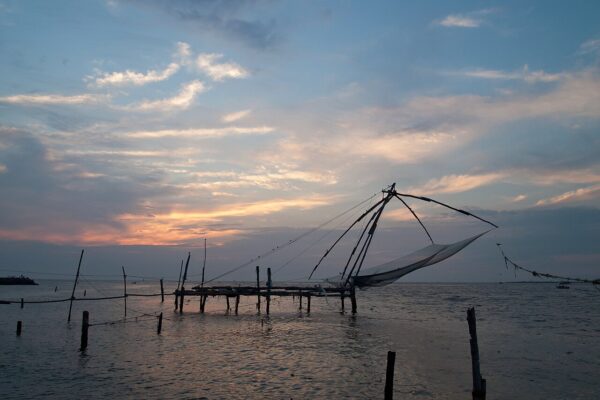
A complete guide to Fort Kochi — Chinese fishing nets, St. Francis Church, Dutch Palace …
Idukki Travel Guide — Munnar, Periyar Tiger Reserve & Anamudi Peak
🏔️ Idukki — High Ranges of Kerala Kerala’s largest district by area — a dis…
 Beaches
Kovalam Beach Guide: Surfing, Yoga, Ayurveda & What to Know
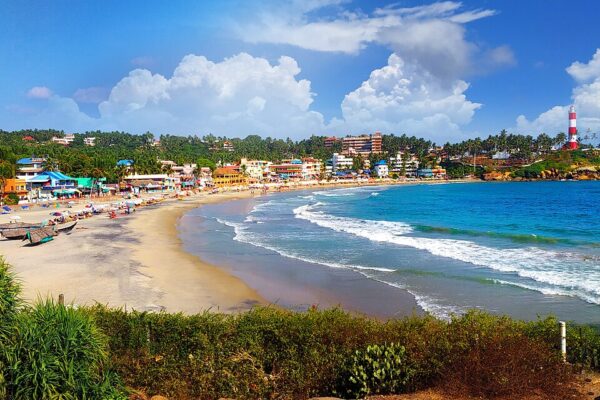
Complete Kovalam guide: the three beaches, surfing lessons, yoga centres, Ayurveda resorts…