The Ernakulathappan Temple — commonly known as the Ernakulam Shiva Temple — is the heart of Ernakulam city and the focal point of its most important annual event, the Ernakulam Shiva Ratri festival. The temple is dedicated to Lord Shiva in his aspect as Ernakulathappan, a form held sacred by the people of Ernakulam for centuries. The present temple structure is predominantly built in the traditional Kerala style, with a copper-topped circular sreekovil (sanctum tower), carved wooden mandapa, and a large rectangular compound enclosed by thick laterite walls.
The Ulsavam — a seven-day festival held annually in February–March — is the central cultural event of Ernakulam town and one of the most attended temple festivals in Ernakulam district. Each night of the Ulsavam, richly caparisoned elephants carry the processional deity through the illuminated streets surrounding the temple, accompanied by Panchavadyam percussion ensembles, chenda melam drummers, and elaborate firework displays. The atmosphere of the festival nights — with the Ernakulam city streets blocked to traffic and lined with lakhs of devotees — is one of Kerala’s most vivid public celebrations.
In non-festival periods, the temple is an active place of daily worship visited by thousands of devotees each day. The evening poojas, conducted around 5–7 pm, are accompanied by traditional Sopana Sangeetham music and create a deeply atmospheric quality quite unlike the busier temple experiences at Kerala’s major pilgrimage sites.
Top Attractions
Circular copper-topped sreekovil, carved mandapa, and laterite compound wall in traditional Kerala style.
Seven-day festival with caparisoned elephants, Panchavadyam, chenda melam, and fireworks — one of Ernakulam's greatest public celebrations.
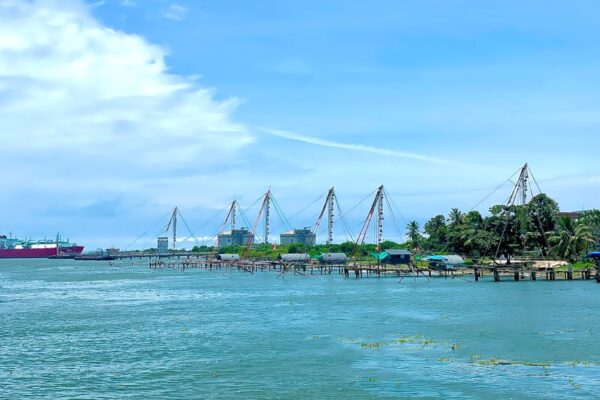
Ernakulam's harbour promenade — a short walk from the temple for an evening combination.
Things to Do
The evening pooja (5–7 pm) is accompanied by Sopana Sangeetham and chenda percussion. A quieter, more contemplative experience than the festival period.
The 7-day festival in February–March fills the surrounding Ernakulam streets with devotees. The processional elephant and fireworks nights (day 5–7) are the most dramatic.
Local Food Guide
Stays in Ernakulam Shiva Temple (Ernakulathappan Temple)
Getting There
Budget Guide
| Category | Budget | Mid-range | Luxury |
|---|---|---|---|
| Accommodation / night | ₹800–2,000 (lodge / budget hotel) | ₹2,500–6,000 (3-star hotel) | ₹7,000–18,000 (4–5-star) |
| Meals / day | ₹150–350 | ₹350–800 | ₹800–2,000 |
| Activities / day | ₹0–200 | ₹200–600 | ₹600–2,000 |
| 3 Nights Total | ₹2,500–7,500 (day trip) | ₹9,000–20,000 (1-night stay) | ₹25,000–55,000+ (2-night stay) |
Travel Tips
Modest dress is required: men should be in dhoti or trousers (not shorts), women in salwar kameez or sari.
During the Ulsavam festival, the surrounding streets are blocked to vehicles. Arrive on foot from the Metro or park a distance away.
Non-Hindus are generally welcome in the outer courtyard; access to the inner sanctum varies — check with temple staff.